
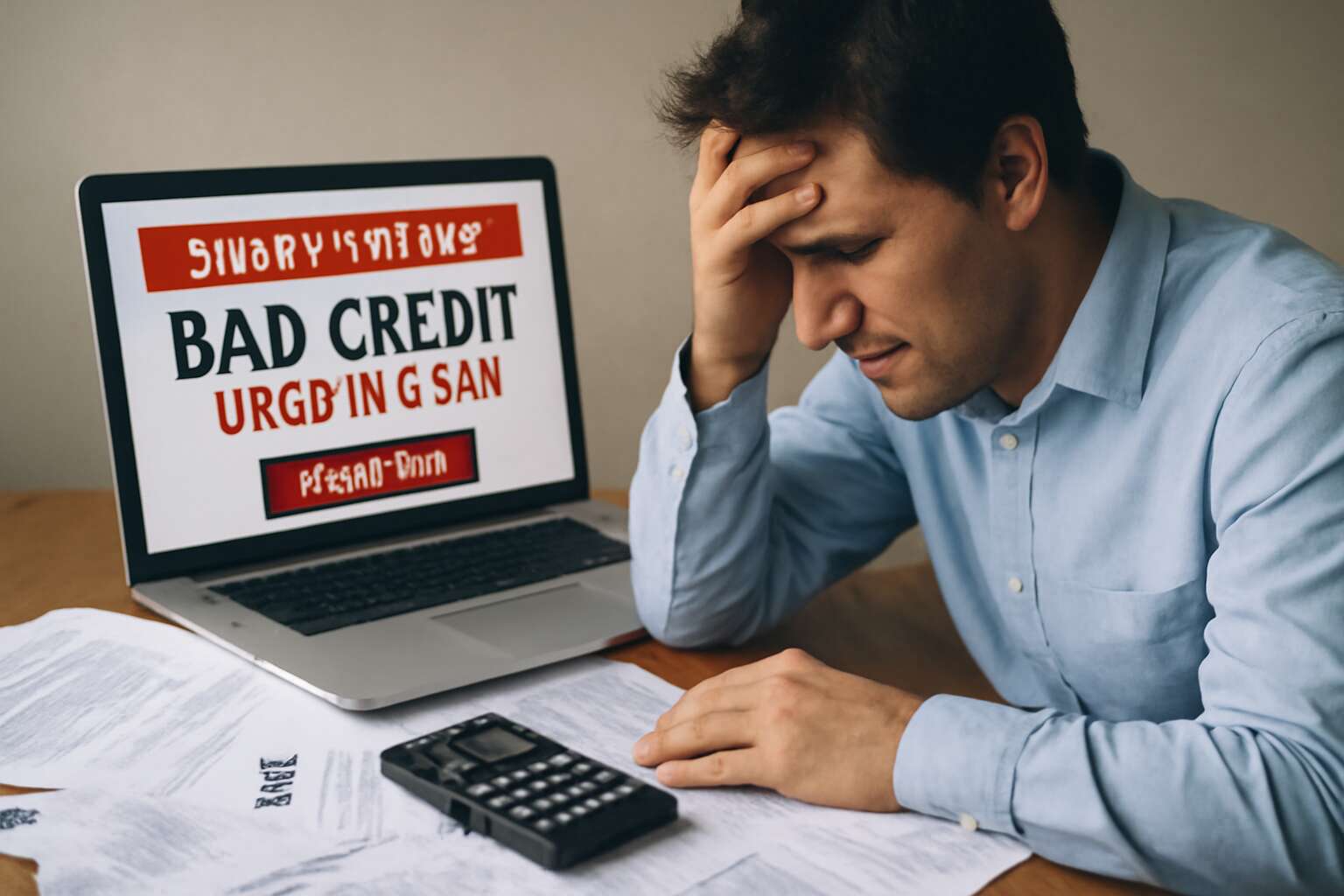
Understanding short term loans with poor credit
What is a short term loan and how does poor credit affect eligibility?
Across South Africa, the clock ticks louder when bills stack up and paydays drift away. A loan can feel like a doorway opening just when you need it most. “Timing is money,” a borrower once said, and that sentiment lands with surprising truth.
A short term loan is a small, fast-acting amount meant to bridge a temporary gap, repaid in weeks or a few months. When credit history is blemished, eligibility changes: lenders weigh affordability, income stability, and how a prior slip might color future risk, sometimes invoking the phrase short term loan really bad credit in policy notes.
Key factors lenders weigh include:
- income consistency and proof of earnings
- credit history and repayment behavior
- existing debt load relative to income
These dynamics shape the path borrowers see in South Africa, where lenders balance speed with prudence, and where every sentence of credit carries the weight of responsibility and renewal.
How lenders assess risk when credit is poor
Across South Africa, a sudden expense can turn a paycheck into a puzzle. A quiet truth guides many: the right short term loan can feel like a lifeline, but the credit landscape bears a quiet verdict—risk is the currency lenders trade in. “Timing is money,” a veteran lender reminds us, and that sentiment echoes in every decision when credit is poor.
Understanding how risk is assessed helps you see beyond labels like short term loan really bad credit. Lenders weigh the borrower’s capacity and reliability with care, including:
- Income stability and verifiable earnings
- Recent repayment behavior and existing debt
- Affordability after essential expenses
Remaining scrutiny comes from banking habits, transaction history, and the borrower’s overall financial trajectory—an ongoing narrative rather than a single score.
Typical terms, fees, and repayment expectations
In South Africa, short term loans with poor credit can arrive quickly, but speed isn’t a guarantee of fairness. The phrase short term loan really bad credit is a label lenders see through, not a verdict on your potential. Understanding typical terms helps you read the small print without fear.
Typical terms, fees, and repayment expectations include:
- Term lengths of 1 to 3 months
- Origination and service fees that can boost the total cost
- Repayment schedules, often weekly or monthly, tied to your pay cycle
- Consequences for late payments, including extra charges and a damaged credit footprint
Look beyond the headline rate to see the full picture: total repayment, flexibility in payments, and any renewal fees that lock you into cycles you don’t want. This is where clarity beats assumption, especially in a landscape where options appear fast but costs linger.
Common acronyms and terms to know
In SA, fast cash often wears fine print—the tuxedo that shrinks in the wash. Understanding short term loan really bad credit is less about stigma and more about the structure—the interest, fees, repayment cadence, and what happens if you miss a payment.
Common acronyms and terms to know include:
- APR — annual percentage rate
- EMI — equated monthly installment
- Origination fee
- Delinquency / default
- Grace period
These terms illuminate the day-to-day experience—how payments are structured, when delays hurt, and how the total cost is built.
Improving approval odds with poor credit
Co signers and secured options that can help
In tight credit markets, a single co-signer can tilt a decision from no to yes. In South Africa’s lending landscape, that trusted partnership can turn what feels like a dead end into a doorway toward a workable solution in the weeks ahead.
For those navigating a short term loan really bad credit, a co-signer or secured option can be the difference. Co-signers share the risk and signal repayment reliability, while secured loans use collateral to reassure lenders about steady cash flow. The result can be more favorable terms and a quicker decision.
To picture a path forward, these elements often matter:
- Co-signer benefits and responsibilities
- Secured asset options commonly accepted in SA
- How a clear, realistic repayment narrative shapes risk
Starting with smaller loan amounts and alternative data
Along the journey toward a short term loan really bad credit, starting small can be persuasive. A modest first loan acts as a test drive for trust, not a gamble. When lenders see you honour repayments on a smaller sum, risk signals soften and odds improve in weeks rather than months.
Consider these steps that incorporate alternative data and prudent planning:
- Choose smaller loan amounts to demonstrate reliability.
- Offer alternative data such as on-time bills, rent history, or steady income streams.
- Pair the request with a clear, realistic repayment narrative and steady cash flow.
With a measured approach, approval odds rise and the road to funding becomes less daunting—and the door opens to more solutions in the weeks ahead.
Credit builder loans and reporting to bureaus
In South Africa, roughly one in three adults navigate imperfect credit every day, turning to short-term finance. The path to better odds isn’t a gamble—it’s a calculated arc of trust and steady repayment!
Credit builder loans can help by building a repayment history and reporting positive data to major bureaus, which in turn reshapes risk signals for future lenders. I’ve watched these stories unfold: steady payments transform risk into opportunity!
- Opt for a small credit builder loan amount
- Ensure on-time payments and secure consistent income
- Confirm reporting to major SA credit bureaus
While the journey isn’t instant, the combination of solvency demonstration and bureau reporting can soften lenders’ risk appetite. For many readers, the idea of a short term loan really bad credit becomes a doorway to more responsible financing.
Choosing lenders that work with low credit scores
Across South Africa, a stubborn truth persists: hopeful borrowers with imperfect credit narrate a different journey. For the short term loan really bad credit reality, improving approval odds begins with lenders who see beyond a number and value the rhythm of steady repayment.
In this landscape, several lender traits stand out as the natural fit for low credit scores:
- Transparent pricing and terms that reveal the true costs
- Consideration of income stability and repayment history, not just the score
- A readiness to engage with borrowers and illuminate expectations in clear language
Many readers discover that matching with such lenders reframes risk and guides the way toward more responsible financing in a South African context.
Documents that strengthen your application
In South Africa, a clean, well-documented file can tilt approval odds in your favour! Lenders want more than a number; they want a clear picture of income, stability, and repayment intent. A strong start is presenting the right documents up front.
Documents that strengthen your application include proof of steady income, recent bank statements, and identification. Gather these:
- Payslips or salary evidence
- Recent bank statements (last 3 months)
- Valid ID or passport and proof of address
Double-check details, keep contact numbers current, and be honest about any gaps. For a short term loan really bad credit scenario, consistent deposits and a straightforward repayment history can move you closer to an approval.
Costs, fees, and repayment strategies for high risk borrowers
Understanding APR ranges for poor credit loans
Numbers hiss in candlelight. In South Africa, a late payment can summon a chorus of fees that outlive the loan itself, and the true cost often eclipses the advertised rate when risk runs high.
Costs and fees form the jagged edge of tight-money loans. Be wary of:
- Origination or application fees
- Late payment penalties and rollovers
- Processing and administration charges
Hidden charges can multiply the total repayment beyond belief.
Understanding APR ranges for poor credit loans helps map the labyrinth. APRs for high-risk borrowers can swing from about 20% to over 100%, depending on lender and term. For the short term loan really bad credit, the balance of term and cost shapes the ledger.
Hidden fees to watch for and how to compare offers
In the tight-money corridors of South Africa, costs don’t announce themselves. One in three borrowers with poor credit report that late payments trigger fees that outlive the loan and swallow the promised rate. In the short term loan really bad credit landscape, the true cost often eclipses the advertised rate when risk runs high.
Hidden charges lurk at every turn—processing and administration fees can crop up under vague headings, subtly inflating the bill. For high risk borrowers, repayment strategies emphasize understanding how term length interacts with cost; more time can mean more fees and higher stress. When comparing offers, track the total repayment over the life of the loan, not the headline rate alone, because the genuine expense can outrun expectations in the short term loan really bad credit arena.
Repayment terms, grace periods, and default consequences
Costs in the short term loan really bad credit space can feel like a maze, especially when a single rand stretches the budget of South Africa’s cash-strapped households. Hidden charges lurk behind vague labels, quietly inflating the bill. When money is tight, the true cost often eclipses the advertised rate, especially if a payment slips or a late fee lands.
Repayment terms vary, and penalties can follow missed timelines. Grace periods exist in some offers, but they are not universal. If default occurs, the consequences ripple through your credit history and add stress to each due date.
- Processing and administration fees hidden under vague headings
- Late payment penalties that accrue when reminders arrive late
- Rollover or extension charges that extend the cost
Cost awareness, in quiet households and towns, keeps choices grounded as repayment realities unfold.
Prepayment options and minimizing total interest
In South Africa, the costs in the short term loan really bad credit space can look small at first glance. Hidden charges lurk behind vague headings, quietly inflating the bill. Borrowers often discover the true price only after reminders arrive, when penalties compound and the debt piles up.
Prepayment options and how they affect total interest are worth understanding, because some terms quietly shift costs.
- Penalty details
- Rollover fees
- Grace period implications
These dynamics—hidden processing fees and late penalties—make the quoted figure only part of the truth. For high risk borrowers, the terms chosen by lenders shape the repayment journey far more than the advertised rate, and the aim to minimize total interest becomes a visible factor in contract language.
Safe alternatives and best practices for borrowers with poor credit
Credit unions and payday alternative loans as safer options
In a market where debt traps often lie behind a clever facade, a safer door exists for consumers with poor credit. “There is always a cheaper door,” a veteran adviser once told me, and that truth still echoes. For borrowers facing a short term loan really bad credit situation, safer options beckon!
Credit unions in South Africa operate on membership and community trust, delivering lower fees and more transparent terms than payday lenders. Some unions offer Payday Alternative Loan–style products with capped rates and predictable repayment, helping borrowers avoid spiraling costs.
- Lower fees and transparent terms commonly found at credit unions.
- PAL-like options with capped interest and fixed repayment require less guesswork.
- Docs and eligibility are straightforward, reducing the risk of hidden charges.
These features make the alternative landscape more forgiving for someone weighing a short term loan really bad credit against the long-term cost of high-interest credit.
Other quick funding options and family or friends as last resorts
Safe doors exist for those staring down a short term loan really bad credit, and they don’t lead to ruin. For many, a small employer advance, a community microfund, or a clearly structured repayment plan offers relief without spiraling interest.
Choose options with transparency and small, predictable costs. Favor lenders that publish clear terms, understand the total repayment, and resist borrowing beyond your means. A prudent plan helps you weather future shocks without courting a new debt trap.
- Employer payroll advances with clear terms
- Community microfunds or non-profit loans
- Family or friends, with a written plan and repayment schedule
Ultimately, protecting relationships and your future borrowing power matters more than chasing a quick fix.
Strategies to build credit for better loan access
Safe alternatives shimmer where panic meets the wallet. For those navigating the label ‘short term loan really bad credit,’ patience and clarity can turn the tide from a debt trap to relief. Seek options that prioritize transparency, small costs, and honest repayment horizons that don’t threaten tomorrow’s finances.
Best practices begin with lenders who publish total repayment upfront and avoid hidden fees. A strategy to build credit rests on reliability: steady, documented income, prudent use of credit, and timely repayments. These choices nudge access toward better terms without courting risky revolving debt.
- Transparent terms and predictable costs
- Repayment plans that align with your income
- Documentation that proves income and stability
In South Africa, a measured approach preserves borrowing power for tomorrow.
How to spot scams and protect yourself from predatory lenders
If you’re wrestling with the label short term loan really bad credit, you’re not alone. In South Africa, visibility matters: choose lenders who publish total repayment upfront and steer away from schemes that hide costs. Safe paths prioritise clarity, smaller fees, and honest timelines that protect your future, not trap you today!
To spot predatory practices, trust the signs: pressure to sign quickly, vague repayment schedules, or requests for sensitive data. I’ve found you stay safer by sticking to NCR-licensed lenders, insisting on written, line-by-line breakdowns, and pausing to compare offers before you commit.
- Transparent terms and upfront disclosures that make costs clear.
- Regulatory licensing as a signal of credibility and safe practice.
- Avoid high-pressure tactics and requests for sensitive data in the moment.



0 Comments